Mulching and Border Maintenance: Why Mulch Saves Work and Money Year-Round
Mulching borders the right way keeps Nottinghamshire gardens healthier all year. Here's what to use, when to apply it and how we do it for you.

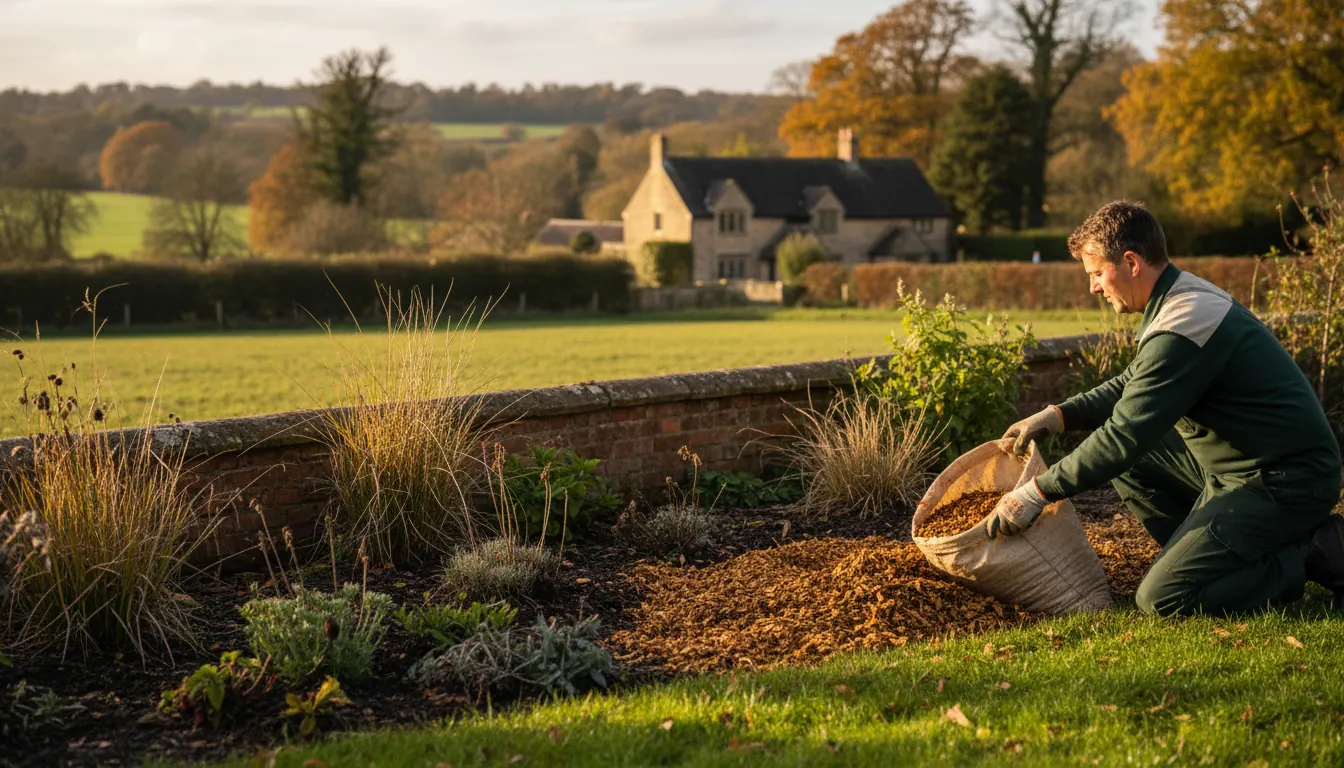
Mulching Borders in Nottinghamshire: The Job Most Gardens Are Missing
Bare soil in a border is working against you. Every week it sits exposed, it loses moisture, lets weed seeds settle in and takes a battering from frost and rain. Mulching is the fix, and it is one of the most straightforward things you can do to keep borders in genuinely good condition through the colder months and into spring.
We do this work across Newark-on-Trent, Nottinghamshire and the surrounding villages, and it comes up again and again, whether we are clearing a neglected plot for someone who has just moved in or setting up a regular maintenance visit for a busy household. The question is rarely "should I mulch?" It is usually "when, what with, and how deep?"
Here is the honest answer.
Why Mulching Borders Makes Such a Difference
Think of mulch as a protective layer for your soil, similar to the way a warm coat works in a Nottinghamshire winter. It does several jobs at once:
- Locks in moisture. Borders dry out faster than most people realise, even in autumn. A layer of mulch slows that down considerably.
- Suppresses weeds. Not completely, but enough to reduce the time you spend pulling them out. Light cannot reach the soil surface, so most weed seeds do not germinate.
- Insulates roots. Perennials, shrubs and newly planted specimens all benefit from a buffer against hard frosts.
- Feeds the soil. Organic mulches break down over months and improve soil structure and fertility without any effort from you.
- Tidies the border visually. A freshly mulched border looks sharp and deliberate. It frames the planting properly.
None of these benefits are complicated. The issue is that the job does not get done because it feels like extra work on top of everything else. That is where we come in.
If you are also dealing with weeds that have taken hold before you can mulch, take a look at our article on weeding and border clearing: how to tackle neglected beds before winter sets in, it covers the prep work that needs to happen first.
When to Mulch Borders in Nottinghamshire
Timing matters. Apply mulch at the wrong point and you can trap problems rather than prevent them.
Autumn is the primary window. Once the soil has had some rain and is moist but not waterlogged, and once you have cleared dead growth and pulled weeds, that is the moment to mulch. In Nottinghamshire, that typically means October into November, depending on what the season has thrown at us.
Spring is the secondary window. Just as the soil begins to warm up, before weeds get established and before new growth is too far advanced, a top-up of mulch around perennials and shrubs gives the border a head start.
What you want to avoid is mulching onto dry soil (it seals the dryness in) or onto frozen ground (it keeps the cold locked down when you want the soil to warm). And never pile mulch directly against the stems or crowns of plants. Leave a small gap. Moisture sitting against a stem causes rot.
What Type of Mulch Works Best for Borders
There is no single right answer here. It depends on what the border contains, what the soil is like and what you want the finished result to look like.
Garden compost is the most soil-friendly option. It breaks down quickly and feeds the border as it does. If you have a compost heap that is ready, this is the most cost-effective material going.
Bark chippings last longer, look tidy and are good for established shrub borders. Medium or coarse grade works better than fine bark, which can compact and shed water rather than absorb it.
Well-rotted manure is brilliant for feeding hungry borders, particularly around roses, fruit trees and vegetable beds. It improves soil structure significantly. It needs to be well-rotted though. Fresh manure on a border causes more harm than good.
Leaf mould is underrated. If you have deciduous trees in your garden or nearby, collecting autumn leaves and composting them for a year produces a light, crumbly mulch that is excellent for woodland-style planting and borders with ferns, hostas and similar plants. Newark gardens often have a decent leaf drop in autumn, so the raw material is there.
Gravel or slate is a non-organic option that works well in Mediterranean-style or low-maintenance borders. It suppresses weeds and looks clean, but it does not feed the soil.
How Deep Should the Mulch Go?
The standard advice is five to eight centimetres. That is deep enough to suppress weeds and retain moisture without smothering low-growing plants.
Less than that and you are not getting the full benefit. More than that around smaller perennials and you risk creating conditions that promote rot or prevent rain from reaching the roots at all.
For shrub borders, you can go a little deeper. For mixed borders with perennials, stick to the five centimetre end of the range and keep it away from crowns.
The Prep Work That Has to Come First
Mulching onto a weedy, cluttered border is a waste of effort. The weeds come through anyway, and you have just made them harder to pull.
Before the mulch goes down:
- Cut back dead or dying perennial stems.
- Pull or hoe out all visible weeds, roots included where possible.
- Rake the surface level and remove any debris.
- Check the soil is moist. If it has been dry, water it first.
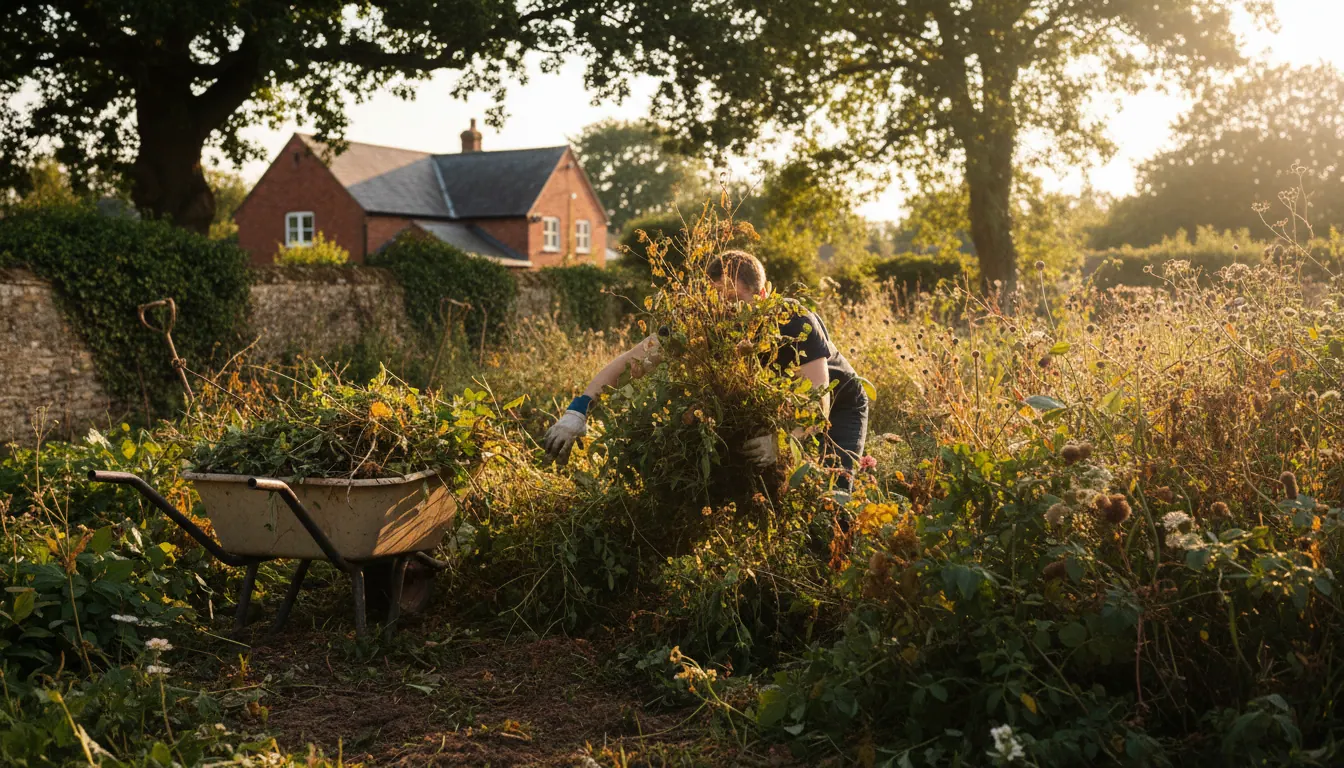
That prep work is exactly what we do as part of a border clearance and mulching visit. We take all the cut material and waste away, so there is nothing left for you to deal with.
What Our Customers Say
Julia, a customer in the Newark area, had her borders cleared and cut back as part of a regular maintenance visit. Here is what she said:
Couldn't recommend more highly Super job done, clearing boarders out and cutting back. Polite, tidy.and couldn't believe how quickly Charlie got the job done! Booked on a regular basis now as very pleased.
That is the point of getting the prep done properly. Once the border is cleared and mulched, and you have a regular visit in the diary, the garden stays on top of itself. It does not spiral back into a problem.
How We Approach Border Care and Mulching Across Nottinghamshire
We cover Newark-on-Trent and the villages across this part of Nottinghamshire. A typical border mulching job with us involves clearing the bed first (cutting back, weeding, raking), laying the mulch to the right depth and tidying the edges so the border looks finished.
All garden waste goes with us. You do not need to arrange a skip or make a tip run.
We are fully insured and work to a standard we are proud of. If you want a one-off tidy before winter, we can do that. If you want a regular slot so the garden never gets on top of you again, we can set that up too. Regular garden maintenance: why weekly or fortnightly care keeps your garden in peak condition explains how that kind of ongoing care works in practice.
Frequently Asked Questions
What is the best time to mulch borders in Nottinghamshire? Autumn is the main window, typically October to November once the soil is moist and you have cleared dead growth and weeds. A second application in early spring, just as the soil starts to warm, is also worthwhile. Avoid mulching onto dry or frozen ground.
Does mulching actually stop weeds in borders? It reduces them significantly rather than eliminating them entirely. A five to eight centimetre layer of bark or compost blocks light from reaching the soil surface, which prevents most weed seeds from germinating. You will still get the odd persistent weed pushing through, but the workload drops considerably compared to bare soil.
What is the difference between a gardener and a landscape gardener? A gardener handles the ongoing care and maintenance of a garden, including mowing, weeding, pruning, hedge cutting, border clearing and mulching. A landscape gardener typically focuses on structural changes, such as building patios, laying turf, installing drainage or redesigning a garden from scratch. We do both: our team handles regular maintenance work as well as more substantial clearance and landscaping jobs across Newark and the surrounding villages.
Do I need to do anything to my borders before you arrive to mulch them? No. We handle the full prep as part of the job, including cutting back dead growth, weeding and clearing debris before the mulch goes down. All waste is taken away. You just need to let us know what the borders contain and roughly how large the area is so we can bring the right materials and equipment.
Get Your Borders Sorted Before Winter
If your borders are looking rough and you want them mulched and protected before the cold really sets in, now is the time to get it booked. We work across Newark-on-Trent, Nottinghamshire and the surrounding villages, and autumn slots fill up faster than most people expect.
Call us on 07704 442169 and we will take a look at what needs doing and get you a quote. No fuss, no obligation.